


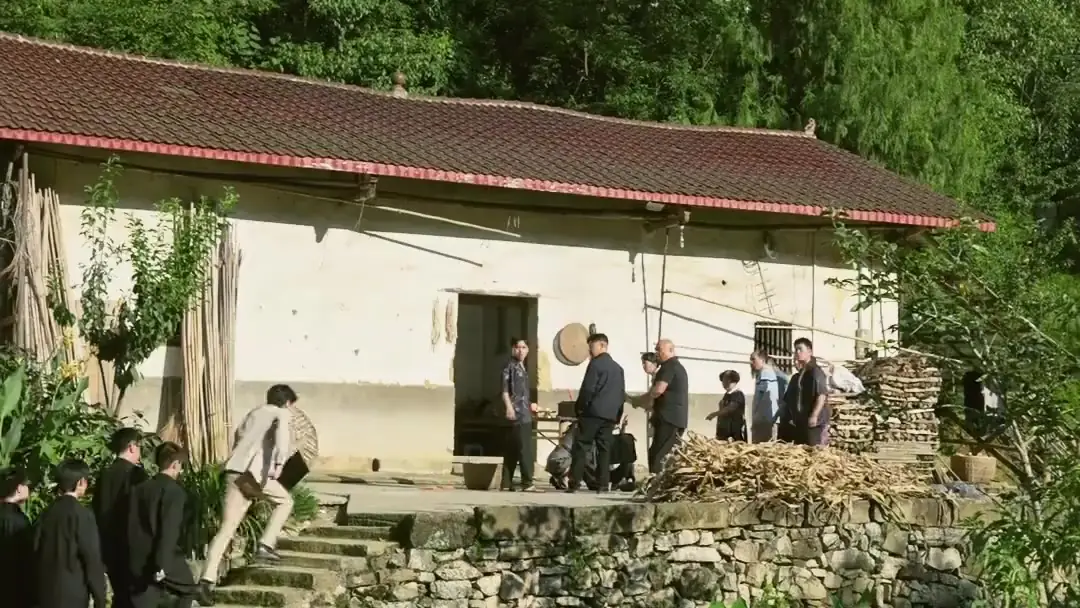
 2026-03-24 ⦁ By NetShortThe Nanny's Web: When the Stick Falls, Power ShiftsIn a sun-drenched rural courtyard surrounded by lush green hills and weathered stone walls, *The Nanny's Web* unfolds not as a quiet domestic drama but as a tig
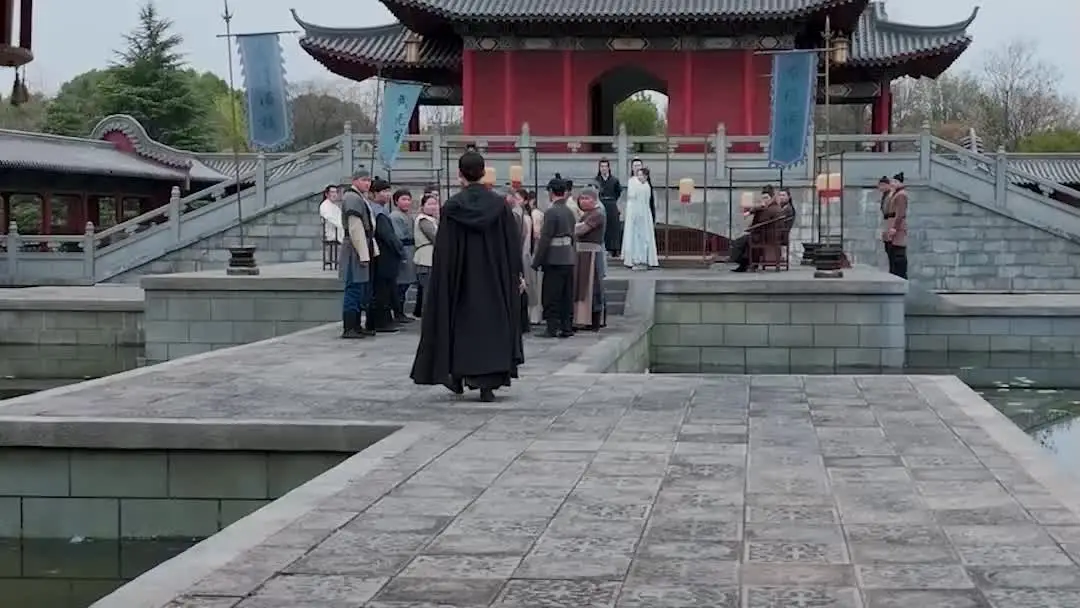 2026-03-24 ⦁ By NetShortLove on the Edge of a Blade: The Sword That Never StruckLet’s be honest: most period dramas give us sword fights that feel like fireworks—bright, loud, over in seconds. But *Love on the Edge of a Blade* does somethin
- 2026-03-24 ⦁ By NetShortLove on the Edge of a Blade: When the Mask Falls, Truth RisesThe courtyard of the ancient pavilion—red pillars, grey tiles, water lapping gently at the stone edges—sets the stage not for a quiet tea ceremony, but for a ps
 2026-03-24 ⦁ By NetShortThe Nanny's Web: The Grey Blazer and the Unspoken PactThere is a moment in *The Nanny's Web*—just after Yao Jing rises from crouching beside the fallen Zhang Wei—that the entire film pivots on a single, silent gest
- 2026-03-24 ⦁ By NetShortThe Nanny's Web: When the Flower-Print Shirt Turns Into a WeaponIn the sun-dappled courtyard of a rural village, where dried corn husks pile like forgotten secrets and fruit-laden trays sit solemnly beside a black lacquered
 2026-03-24 ⦁ By NetShortThe Nanny's Web: When a Village Courtyard Becomes a Courtroom of LiesThere’s a particular kind of tension that settles over a rural courtyard when the air thickens with unspoken history—a tension that doesn’t announce itself with
- 2026-03-24 ⦁ By NetShortThe Nanny's Web: The Black Box That Shattered the Village PeaceIn a sun-drenched rural courtyard, where corn stalks rustle and power lines sag lazily overhead, a quiet village life is violently upended—not by a storm or a t
 2026-03-24 ⦁ By NetShortThe Nanny's Web: The Silent War Between the Suit and the SoilIf cinema were a language, *The Nanny's Web* would be spoken in glances, in the rustle of fabric, in the way a hand hovers before it strikes—or chooses not to.
- 2026-03-24 ⦁ By NetShortThe Nanny's Web: When the Floral Shirt Speaks Louder Than WordsIn a quiet rural courtyard, where weathered walls whisper forgotten stories and incense sticks burn with quiet reverence, a storm of unspoken tensions gathers—n
 2026-03-24 ⦁ By NetShortThe Nanny's Web: The Silence Between the ShoutsThere is a particular kind of tension that only exists in spaces where everyone knows each other’s secrets but pretends not to. Not the dramatic, cinematic kind
- 2026-03-24 ⦁ By NetShortThe Nanny's Web: When the Village Meets the BoardroomIn a quiet rural courtyard, where green foliage blurs the edges of reality and concrete walls whisper forgotten histories, a confrontation unfolds—not with fist
 2026-03-24 ⦁ By NetShortThe Nanny's Web: When the Urn Speaks Louder Than WordsThe genius of *The Nanny's Web* lies not in its plot twists—but in its silences. Consider the scene where Zhang Dagui sits at the white table, surrounded by cha