



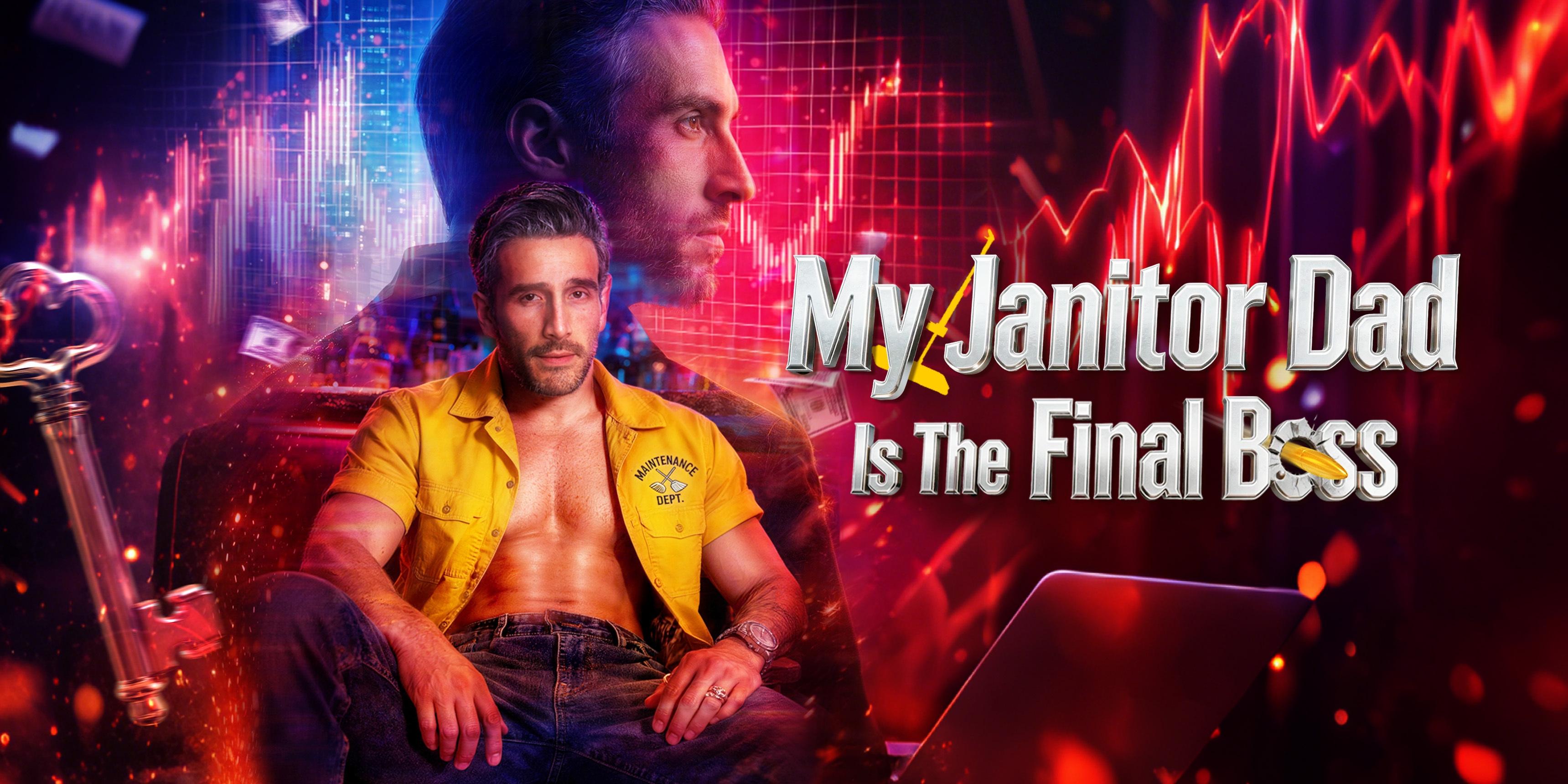
When “hidden boss” stories hit harder than ever
Short dramas lately are obsessed with one thing: power concealed under humiliation. Not just for shock value, but because it taps into something raw—people are tired of watching perfect heroes win easily. They want restraint, pressure, and then a snap.
My Janitor Dad Is The Final Boss plays this game with precision. It doesn’t rush to show dominance. Instead, it lets the main character stay small—visibly small—while stacking silent authority in the background. The janitor disguise isn’t just a trope; it’s a pressure cooker. Every insult becomes fuel, every misunderstanding raises the emotional stakes.
And the pacing? Ruthless. No wasted scenes, just escalating tension that makes the eventual reveal feel earned instead of flashy.
The moment humiliation turns into a countdown
At its core, the story is simple: Leif hides as a janitor to protect his son. But the turning point isn’t the disguise—it’s how far he lets the disrespect go.
Saving CEO Elowen should’ve been a heroic moment. Instead, it becomes a public embarrassment. That’s where the tone shifts. You start questioning him: why endure this? Why not reveal everything sooner?
The answer sits in his priorities. He’s not protecting his pride—he’s protecting his child’s normal life. That choice reframes everything. Even his silence feels strategic, not weak.
Then comes that one scene—he casually overrides a high-level military command signal in front of people who mocked him minutes ago. No shouting, no dramatic buildup. Just quiet control. That’s when the entire power structure flips, and suddenly every earlier insult feels dangerous in hindsight.
Why this story feels uncomfortably real
Strip away the NATO title and action elements, and the setup isn’t that far from reality. Plenty of people downplay their capabilities in daily life—at work, in relationships, even within families—just to keep things stable.
Think about parents who hide their struggles or successes to avoid burdening their kids. Or professionals who tolerate disrespect because the timing isn’t right to push back.
My Janitor Dad Is The Final Boss turns that everyday compromise into something extreme, but recognizable. The janitor uniform becomes a symbol: not of weakness, but of chosen invisibility.
And when that invisibility breaks, it doesn’t just shock others—it forces a re-evaluation of everything that came before.
Power, pride, and the cost of staying silent
There’s a quiet tension running underneath the action: how long should someone tolerate being underestimated?
Leif’s choice raises uncomfortable questions. Holding back can be strategic, even noble. But it also creates a gap between who you are and how others treat you. That gap can distort relationships, especially with the people you’re trying to protect.
Is dignity something you defend immediately, or something you delay for a bigger goal? And when the truth finally surfaces, does it repair respect—or just replace one kind of imbalance with another?
The show doesn’t hand out answers. It just keeps pushing the situation until the consequences speak for themselves.
Not just revenge—it's timing, restraint, and release
What makes My Janitor Dad Is The Final Boss stick isn’t the revenge itself—it’s the timing. The story understands that satisfaction doesn’t come from power alone, but from when and how that power is revealed.
The emotional rhythm is tight: suppression → pressure → rupture. And when the reveal hits, it’s less about dominance and more about reclaiming control over the narrative others wrote for him.
So the real hook isn’t “will he win?” It’s: how much will he lose by waiting this long—and was it worth it?
If you’re into short dramas that balance action with emotional tension, this one lands harder than it looks at first glance.
Ending
If this kind of slow-burn power flip gets your attention, My Janitor Dad Is The Final Boss is worth diving into on the NetShort app. The full story pushes the stakes even further, and there’s a whole lane of similar high-intensity short dramas waiting once you finish this one.
