



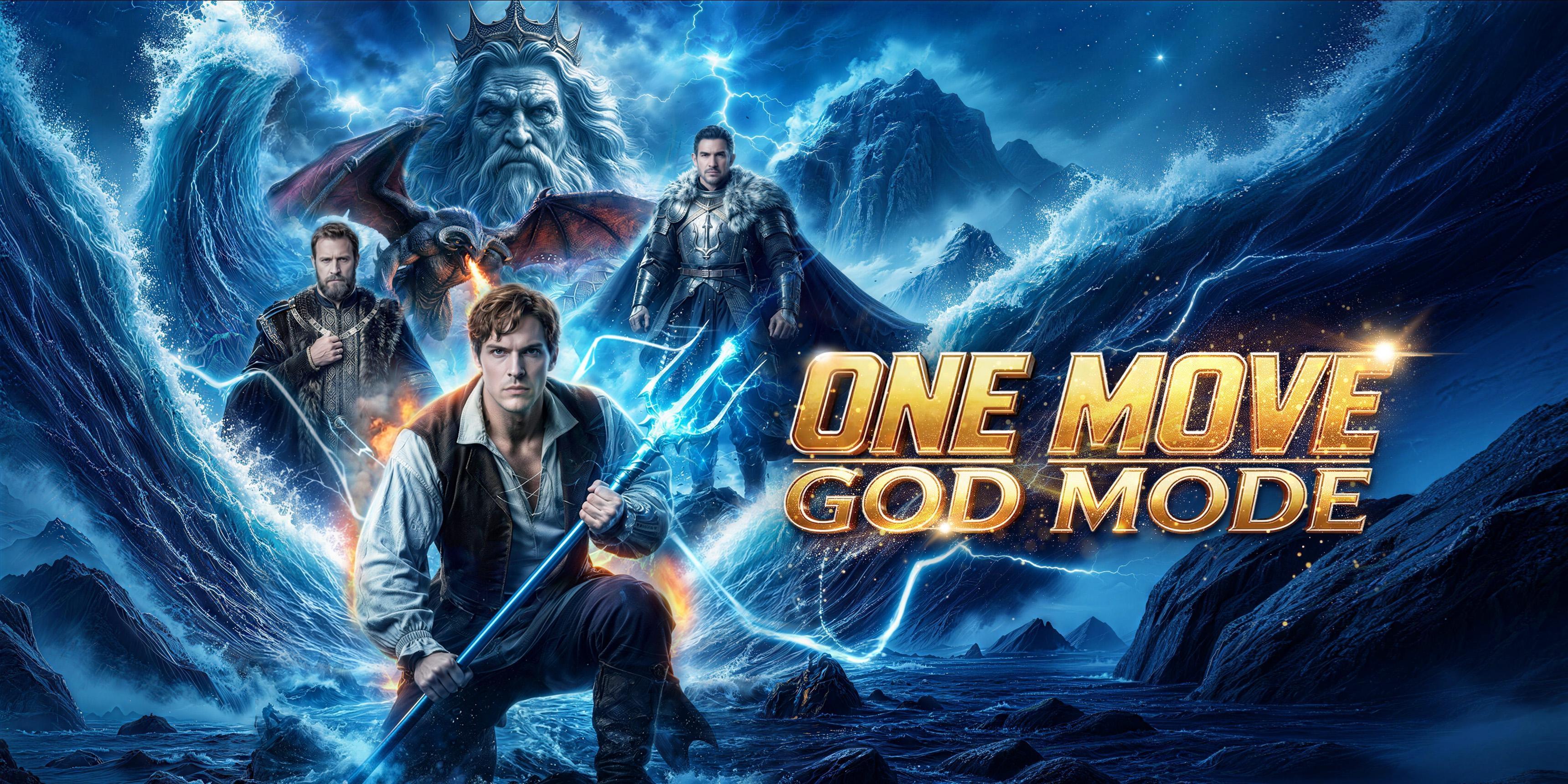
When “hidden power” stories hit different now
Lately, short dramas built on “underdog to unstoppable” arcs are everywhere—but not all of them stick. What makes One Move God Mode land isn’t just the glow-up, it’s how quickly it delivers emotional payoff. Audiences right now aren’t patient for slow-burn redemption; they want that instant flip—the moment where humiliation turns into dominance. This series understands that itch. It sets up a brutally unfair world, then snaps it in half with one decisive reveal. The pacing is ruthless, the power gap is exaggerated on purpose, and the payoff feels almost addictive because it’s so immediate.
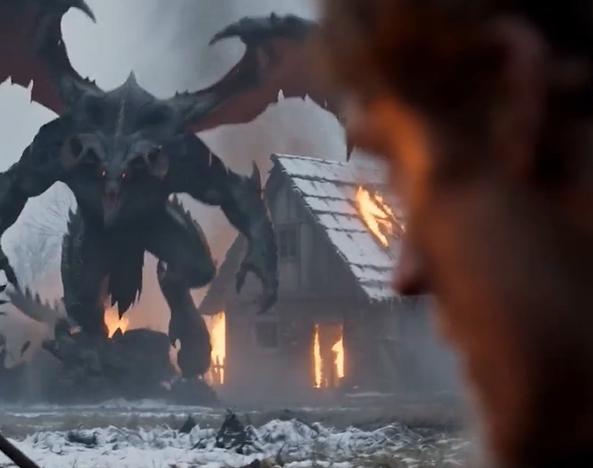
A pitchfork, a lie, and a breaking point
The setup feels familiar at first: Ethan, dismissed as useless, enters a knight trial with what looks like a joke of a weapon. But the tension isn’t about whether he’ll win—it’s about how long he’ll keep believing the lie about himself. The nobles’ cruelty isn’t subtle; it’s theatrical, almost designed to push him to collapse. And then comes that shift. What looks like a rusty pitchfork isn’t just a hidden weapon—it’s a symbol of everything he’s been denied.
There’s a moment where Ethan stops hesitating—not gradually, but all at once. That snap is the real turning point. The story doesn’t dwell on training arcs or self-discovery speeches. Instead, it asks: what happens when someone realizes, instantly, that the world has been wrong about them? That’s where the energy spikes.
Why this fantasy feels uncomfortably real
Strip away the gods and weapons, and the core dynamic is painfully familiar. Being underestimated. Being mislabeled early in life and never quite escaping it. People around you deciding your limits before you even test them.
The nobles in the story act like gatekeepers—less interested in fairness, more invested in preserving their status. That dynamic shows up everywhere: workplaces, schools, social circles. The idea that “talent” is often recognized only after it becomes undeniable feels very real here. Ethan doesn’t earn respect through slow acceptance; he forces it in one overwhelming display.

Power, identity, and the danger of flipping the script
There’s something slightly unsettling about how fast the balance shifts. One moment he’s nothing, the next he’s untouchable. It raises a quiet question: when someone who’s been crushed finally gains power, what guides how they use it?
The story leans into the satisfaction of revenge, but it doesn’t fully resolve what comes after. If your identity was built on being overlooked, what replaces it once everyone sees you? Strength alone doesn’t answer that. And the line between justice and domination starts to blur when no one can challenge you anymore.
Why One Move God Mode is hard to stop watching
What keeps One Move God Mode engaging isn’t just the spectacle—it’s the emotional whiplash. The fall is harsh, the rise is sharper, and the transitions are almost instantaneous. There’s no long wait for validation, no drawn-out suffering arc. Just pressure, release, and escalation.
And that final direction—heading toward Olympus—opens a bigger question: if the world that rejected him was small, what happens when he steps into one that’s even harsher?
Ready to see how far he goes?
If that turning-point energy is your thing, One Move God Mode is worth diving into. You can catch the full story on the NetShort app, where the episodes move fast and the stakes keep climbing. It’s the kind of series you start for the payoff—but stay for what comes after it.
