



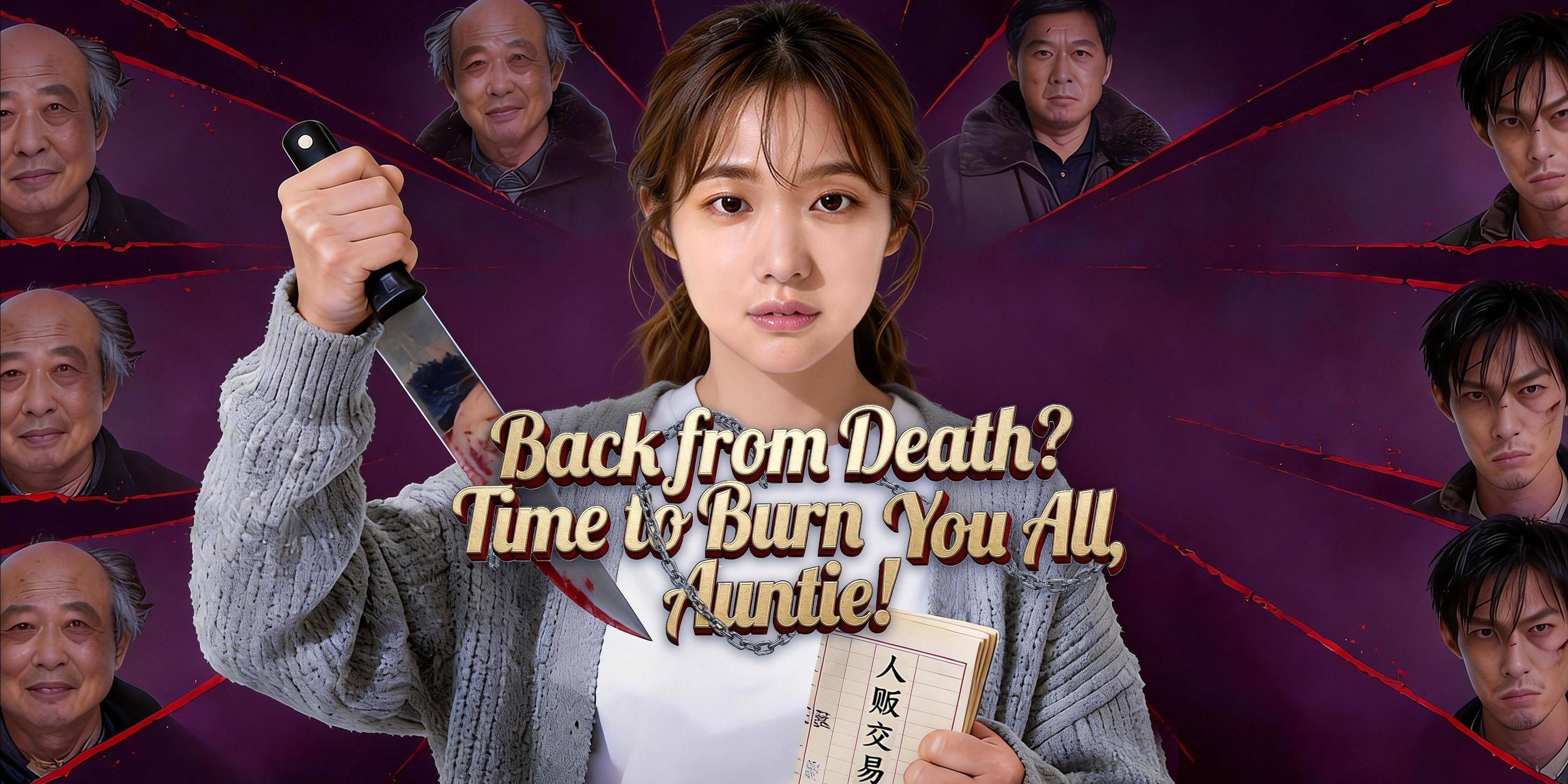
Revenge stories got colder, smarter, and more personal
Lately, short dramas have shifted. Loud slapbacks and instant payback aren’t enough anymore. Viewers want something sharper: calculated revenge, emotional control, and protagonists who don’t scream their pain but weaponize it. Back from Death? Time to Burn You All, Auntie! lands right in that sweet spot.
What makes it work isn’t just the rebirth hook—it’s the pacing. Every episode moves like a chess play, not a tantrum. The show trusts the audience to enjoy slow traps, delayed reactions, and the tension of knowing the heroine sees dangers others don’t.
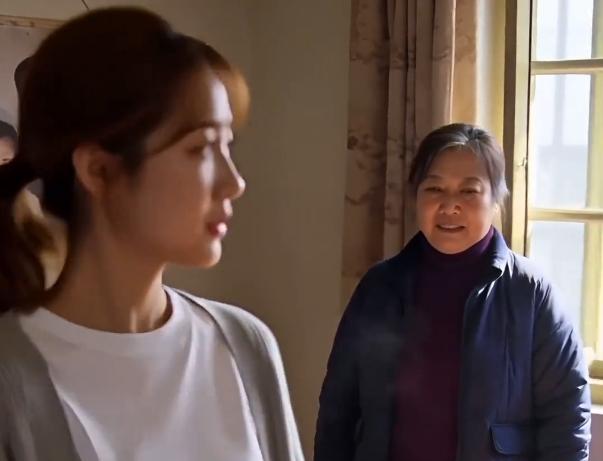
She doesn’t just remember the past — she redesigns it
Nora Fort’s rebirth isn’t framed as a miracle. It’s framed as a burden. She remembers being betrayed, sold, and discarded, and that memory dictates every choice she makes next. One early moment quietly sets the tone: instead of escaping a familiar trap, she steps into it on purpose, just to see who’s watching.
That’s the shift. In many rebirth dramas, the lead rushes to “fix” mistakes. Here, Nora studies people. Her aunt’s kindness feels rehearsed. Allies speak half-truths. Even help comes with a price. Compared to traditional revenge dramas that rely on public humiliation scenes, this one keeps the damage mostly offstage—and that restraint makes it hit harder.
The criminal ring feels uncomfortably familiar
Strip away the crime elements, and what’s left looks a lot like real life. Power structures that protect insiders. Victims silenced through “family duty.” Deals disguised as care. Nora’s situation mirrors workplaces, families, and relationships where saying no once leads to punishment forever.
Her decision to infiltrate instead of expose is telling. She knows truth alone won’t save her. Control will. Watching her adapt feels less like fantasy and more like a survival guide for toxic systems that don’t collapse just because someone speaks up.

When revenge stops being about anger
The most unsettling idea in Back from Death? Time to Burn You All, Auntie! is that revenge isn’t emotional—it’s administrative. Nora doesn’t lash out; she reorganizes the board. And when one key figure in the criminal ring realizes she’s been manipulated into destroying her own protection network (yes, that moment happens), the show quietly asks: is justice about punishment, or about removing someone’s ability to hurt others again?
No speeches answer that. The drama just lets the consequences sit there, slightly uncomfortable.
Why it stays in your head after the episode ends
This short drama doesn’t rely on constant shock. Its pull comes from watching a woman refuse to be rushed—by love, by fear, or by morality packaged as obedience. Back from Death? Time to Burn You All, Auntie! keeps its emotional pressure steady, its characters morally messy, and its revenge unsettlingly calm.
If you were given a second life, would you still try to be kind—or would you try to be untouchable?
Where to watch and why you probably should
You can watch Back from Death? Time to Burn You All, Auntie! on the netshort app, where the tight episode length actually amplifies the tension instead of cutting it short. If you’re into rebirth stories that trade loud revenge for quiet control—and want more short dramas that trust your emotional intelligence—this one’s worth pressing play on.
