



The Impersonation Crisis


.png~tplv-vod-rs:651:868.webp)
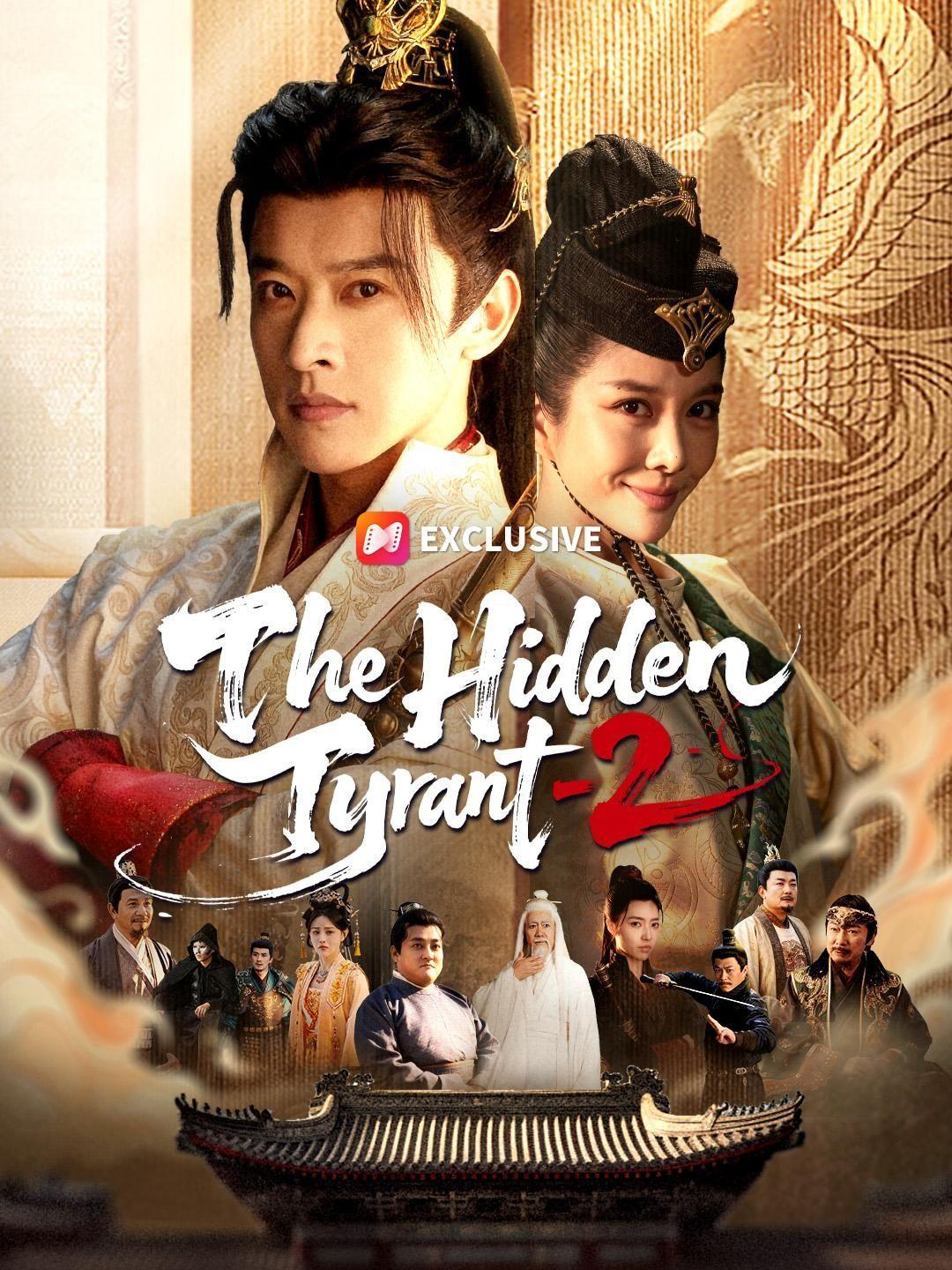
Costumes Tell Half the Story
From the embroidered hems of the white-robed maiden to the blood-stained collar of the barbarian chief, every costume in The Hidden Sage whispers backstory. The official's towering hat isn't just fashion — it's authority clinging to desperation. Even the tassels on the scholar's sleeve seem to tremble with unresolved fate. Detail obsession at its finest.
The Crowd Knows More Than You Think
Don't ignore the bystanders in The Hidden Sage — their crossed arms, narrowed eyes, and shifted stances reveal loyalties before words are spoken. When the lady steps forward, one guard subtly grips his sword; another looks away. These aren't extras — they're silent narrators of power shifts. Brilliant ensemble direction hiding in plain sight.
A Duel of Glances, Not Blades
Before steel meets steel in The Hidden Sage, eyes do the fighting. The white-robed hero doesn't flinch as the blade nears his throat — his gaze says 'I knew you'd come to this.' Meanwhile, the lady's trembling lip betrays regret beneath resolve. It's not about who wins the fight, but who loses themselves first. Emotional chess, not combat.
Nature as a Character
The overcast sky and barren hills in The Hidden Sage aren't backdrop — they're mood setters. As tensions rise, the wind picks up, rustling robes like whispered warnings. Trees stand sentinel, watching alliances fracture. Even the dirt underfoot feels heavy with consequence. Nature doesn't just surround the drama — it amplifies it, quietly, relentlessly.
The Moment Before Chaos
The Hidden Sage freezes time right before violence erupts — the lady's sword poised, the official's mouth open mid-shout, the scholar's hand half-raised. It's not action we crave, but the suspension before impact. That split second where everyone knows what's coming… and no one can stop it. Masterclass in anticipatory storytelling.
