



The Emperor's Dilemma


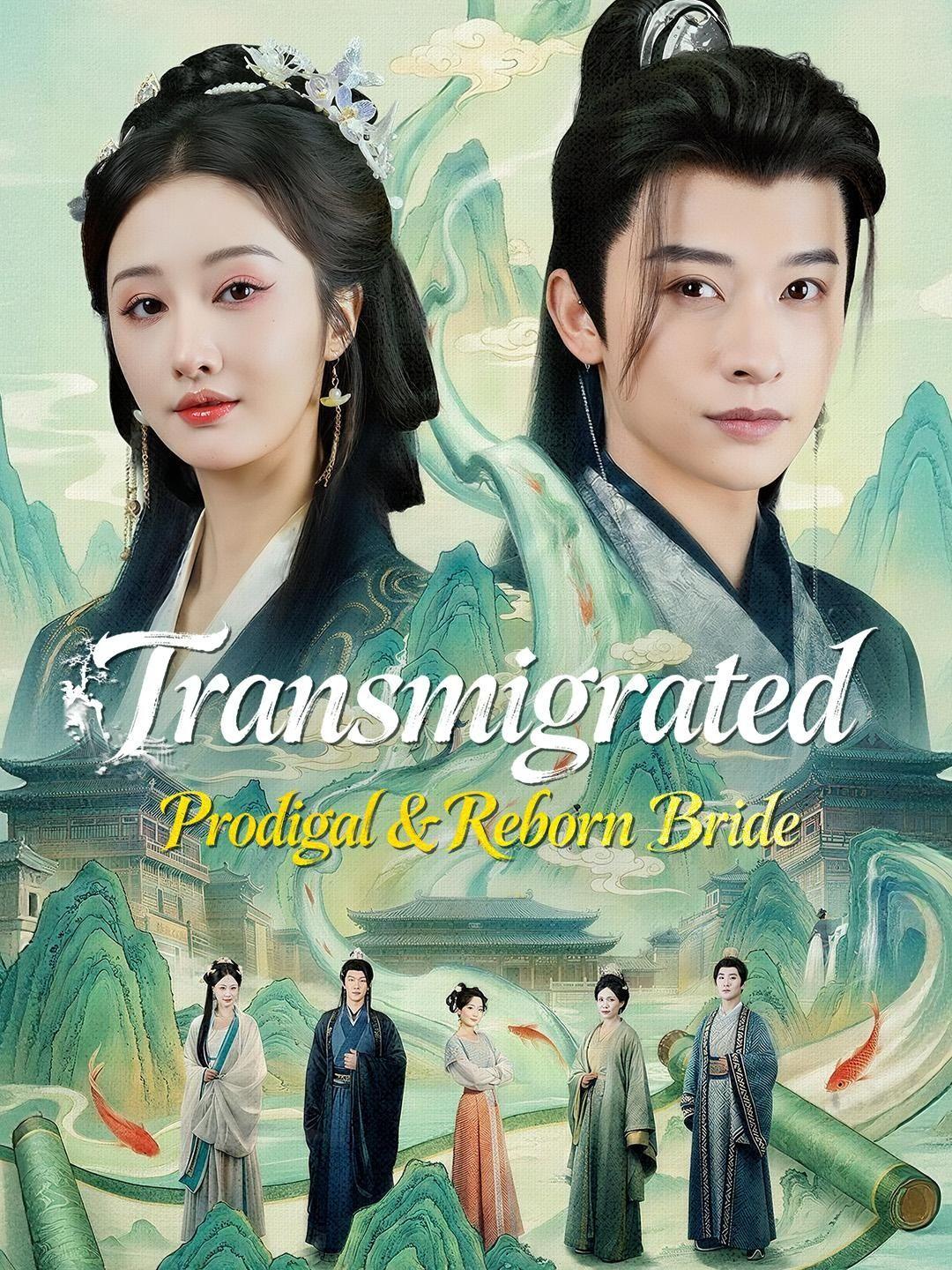
Costume Design Tells the Story
In The Stray Prodigy, the color palette is a narrative device. The Empress Dowager's deep red and black signify authority and danger, while the younger woman's pastel blue and orange suggest vulnerability and youth. Even the eunuch's purple robe sets him apart as an observer. Every thread in this production serves the story of hierarchy and control.
The Weight of the Crown
The scene where the official bows deeply in The Stray Prodigy perfectly captures the rigid hierarchy of the era. The Emperor's stoic reaction shows the burden of command. It's not just about ruling a country; it's about managing the complex web of relationships within the palace walls. The misty background adds a layer of mystery to their fate.
Emotional Depth in Historical Drama
The Stray Prodigy manages to make ancient court politics feel incredibly personal. The way the older woman speaks to the Emperor feels like a mother scolding a son, yet the formal setting reminds us of their public roles. This duality creates a fascinating dynamic that keeps you guessing about their true loyalties and feelings.
Visual Storytelling at its Best
The framing in The Stray Prodigy is exquisite. Using the massive red pillars to frame the characters creates a sense of confinement, mirroring their trapped lives within the palace. The wide shots of the children playing against the backdrop of looming architecture symbolize the innocence that will eventually be consumed by the state.
Anticipating the Conflict
You can feel the storm coming in The Stray Prodigy. The Empress Dowager's confident demeanor clashes with the Emperor's hesitation. When the eunuch arrives with news, the shift in atmosphere is instant. It's a slow burn that promises explosive drama. The attention to historical detail in the props and setting makes the betrayal feel even more real.
