



Royal Retribution


.png~tplv-vod-rs:651:868.webp)
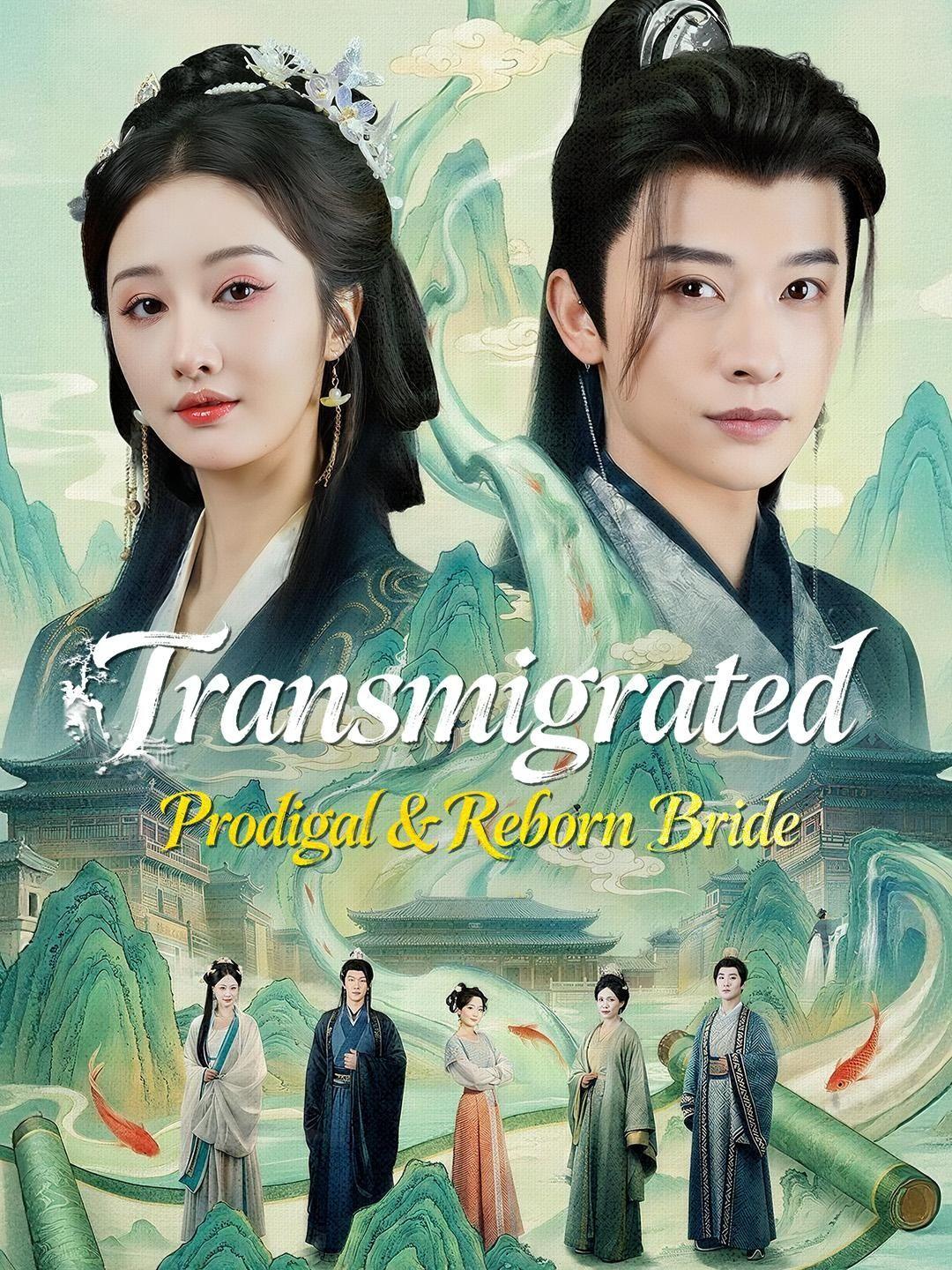
Slap Heard 'Round the Courtyard
The moment he slapped her? My jaw dropped. Not because it was shocking—but because her reaction wasn't tears, it was terror masked as defiance. The Stray Prodigy doesn't do melodrama; it does psychological chess. That slap wasn't anger—it was a power move. And her kneeling afterward? A silent surrender that screamed louder than any dialogue ever could.
Blood on Silk, Tears on Stone
When the injured woman collapsed, blood trickling down her cheek, the camera didn't flinch. The Stray Prodigy knows how to make pain feel intimate. The Emperor's rush to her side? Not heroism—it's guilt wrapped in velvet. Meanwhile, the blue-robed lady kneels like a statue of regret. Every frame here is a painting of consequence.
Child Witness, Adult Fallout
That little boy crying beside the fallen woman? Devastating. He's not just a prop—he's the moral compass of The Stray Prodigy. His tears mirror what the adults won't say aloud. The Emperor's glance at him? A flicker of shame. This show doesn't need exposition when a child's sob can break your heart faster than any monologue.
Kneeling Isn't Submission—It's Strategy
Watch how the blue-robed lady kneels—not broken, but calculating. In The Stray Prodigy, posture is power. Her clasped hands? A plea or a trap? The Emperor's stiff stance above her? He thinks he's won, but she's already three moves ahead. This isn't historical drama—it's psychological thriller in brocade robes.
Guards Don't Arrest—They Execute Orders
When the armored guards dragged her away, no one blinked. That's the horror of The Stray Prodigy: violence is bureaucratic. No shouting, no struggle—just efficient cruelty. The Emperor didn't even watch them leave. His silence? Louder than any command. This show makes tyranny feel chillingly routine.
